

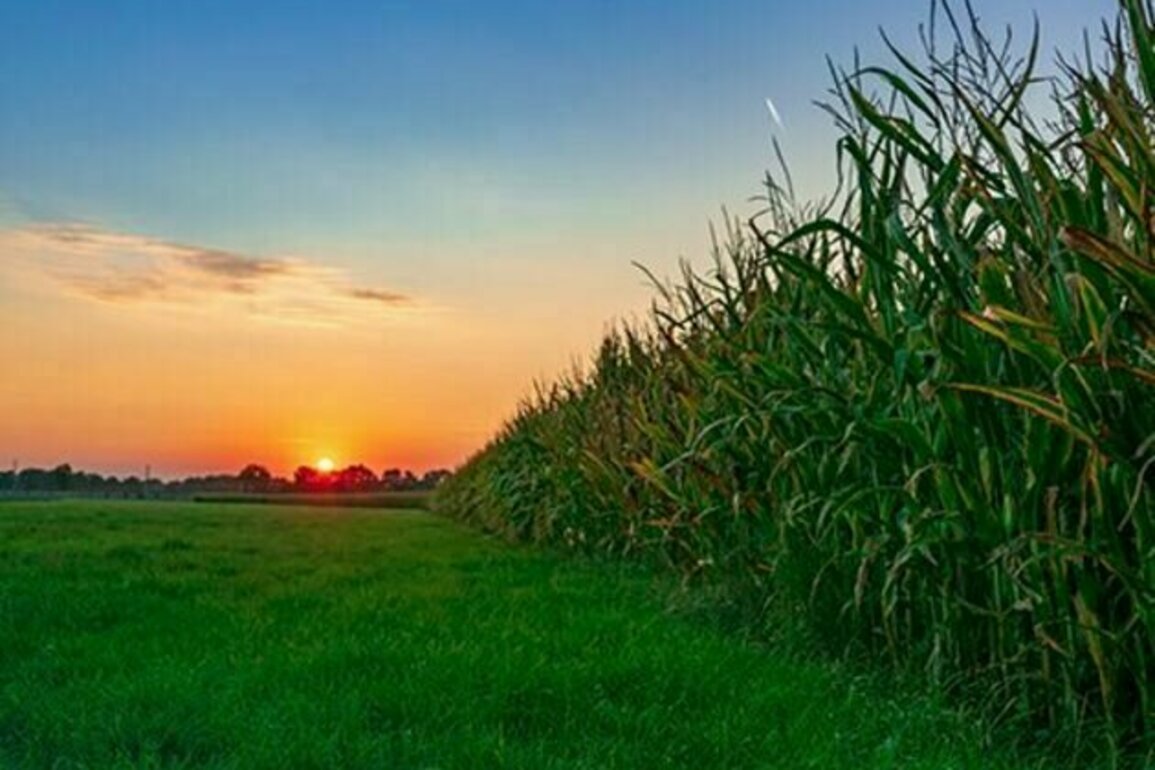
A unique partnership between ranchers, a conservation group, and an impact investor in southern Alberta is helping to make land stewardship and sustainable grazing viable.
About an hour south of Calgary in Stavely, a Steward Ownership Model pilot project centres around ranchers Glen and Kelly Hall, who manage a cow-calf beef herd at their 4.5-square-kilometre Timber Ridge Ranch.
High land prices have made it difficult for farmers to own land in Canada, and even more challenging for them to restore and protect ecosystems in a way that pays off financially. Seeking to grow their land base, the Halls partnered with other groups to finance expansions while maintaining a focus on land stewardship. They own parcels of their ranchland in collaboration with two other partners: the Halls formed a corporation with Sacha, a real estate investment company, to access capital, plus they have a pre-existing co-tenancy with the Alberta Conservation Association (ACA).
These partnerships have changed their financial landscape. They allow the Halls to escape the crushing market forces that can push farmers and ranchers into a spiral of chasing profits, offering them flexibility to pursue sustainable agriculture. The Halls aim to restore the land around them with perennial coverage and multi or polyculture crops. Among other strategies like seeding, they implement rotational grazing and leave some grass uneaten to cover the soil and retain moisture.
"If you're with the conventional banking system," Glen Hall told The Energy Mix, "when it's time to make a payment, you don't have the flexibility to maybe de-stock [your herd], or prepare or plan for a drought that's coming. So, if you're with the conventional system, you'd have to overgraze your land [or] try to produce too much to keep it healthy."
Their work at Timber Ridge has tied together a broad community of allies that support the ranch's environmental goals, like hunters who keep them apprised of the wildlife on their ranch and also volunteer time to help build fences or deal with noxious weeds, the Halls said.
The Halls have managed their herd at the ranch for about 40 years, but they underwent a paradigm shift about 15 years ago when they started wrapping their heads around" stewardship ownership, Kelly Hall said. It was around this time that they began their co-tenancy with the ACA.
The ACA wanted to keep family ranching on the Alberta landscape, President and CEO Todd Zimmerling told The Mix. By that time, the association had already worked with the Halls on several other conservation projects.
"They're great to work with," he said. "If you've met them, you know they're just good people."
Timber Ridge is not the only land on which the ACA has title, but their other conservation sites are not partnerships. They lease land out to ranchers in some cases, but generally have to take on both the up-front purchasing capital and longer-term management costs-which is expensive.
Zimmerling said that in his conversations with the Halls, who were looking for a new partnership, they realized that "if we got together, we could-with both groups-be able to purchase the land." The setup lets the ACA support conservation outcomes without taking on the full responsibility of land management.
A few years ago, the Halls decided to expand again when some acres they were renting came up for sale. Kelly Hall said this land was "pretty key" to their operation, but its use was outside the scope of the ACA's goals. That's when they found another partner in Sacha.
Unlike the ACA partnership, which is a co-tenancy agreement where both groups own the land together, the Halls created a corporation with Sacha, in which Kelly and Glen hold a majority share.
"Sacha is what we consider our bridge funders, so they have helped us to get to the point where we are," explained Kelly Hall, adding that Sacha is a "patient" bridge funder.
Sacha's role in the corporation helps it meet its own goals for addressing societal challenges. According to its website, the firm "takes a systems-based approach to investing in farmland that increases the economic viability of regenerative organic farm enterprises." Sacha generally facilitates direct loans, partnerships, and long-term leases to small and mid-sized family farms and creates pathways to land ownership for regenerative organic food producers.
The resulting arrangement follows the Steward Ownership Model, which is based on work that Sheldon Atwood-CEO, president, and director of the Western Ranchlands Corporation-has pioneered over the past 20 years. Atwood has lately been part of a core group that is refining the model through the Regenerative Agriculture Labs (RAL) program administered by the non-profit Rural Routes for Climate Solutions. The model lays out a concept for three stakeholders: an agriculture operator (in this case, the Halls), a land ownership group like Timber Ridge LandCo (the corporation of Sacha and the Halls), and a conservation group like the ACA. The goal is to cost-effectively align financial resources and land stewardship practices.
The RAL program is focusing on the Halls' arrangement with Sacha as a pilot, testing feasibility and scope. This specific arrangement may work out for Timber Ridge, but any other parcel of land or group of partners will have its own nuances and challenges, so no two Steward Ownership Models would look the same.
Though the ACA co-tenancy preceded the model and is not affected by the corporation, its role as a conservation stakeholder is being monitored in the pilot.
As a shareholder in the corporation, Sacha's returns on its investment "come from lease payments and land appreciation," said Kira Gerwing, the firm's chief real estate investment officer.
She added that if the corporation receives other revenues, like from carbon credits or subsurface use rights, they are distributed to the shareholders of the land company. But aside from making lease payments to the corporation, any revenues that the producer or farmer generate from production "remain theirs to manage and distribute."
While Sacha has been a key partner, Kelly Hall said the company's investment is meant to eventually be taken over. Sacha's shares may be bought out by the Halls' sons as they return home, for instance, or by "some other folks that are interested in what we're doing,"
Critically, the partners in Timber Ridge are each guided by missions to enable agriculture production while also supporting land conservation and sustainable practices. By providing a reliable financial base for those principles, the model allows them to make management decisions that aren't always available to other ranchers or farmers.
The Halls benefit from having partners who are willing to understand the trade-offs for a farm to invest in ecosystem health, Kelly told The Mix. In a conventional financial agreement, a bank would expect a higher return on investment within a shorter time frame.
In the Steward Ownership Model, partners are willing to accept investments paying off over a longer period of time, or that investments that benefit the land may not pay off in a strictly financial sense. This is in part possible because their partners are funded differently than a bank is-for example, conservation groups are likely to receive philanthropic or government support for their operations.
Kelly said more people need to be willing to take on the roles of the ACA and Sacha, understanding that sometimes it costs money to achieve outcomes like building up the soil.
"The pressure is on so much," said Glen, especially with land prices so high.
"It's hard, because the right thing to do is not always financially profitable."
Source: The Energy Mix